1,000+
Daily Visitors
Ujjain Temples
Verified Entity
Live Rituals
Available Here
Overview
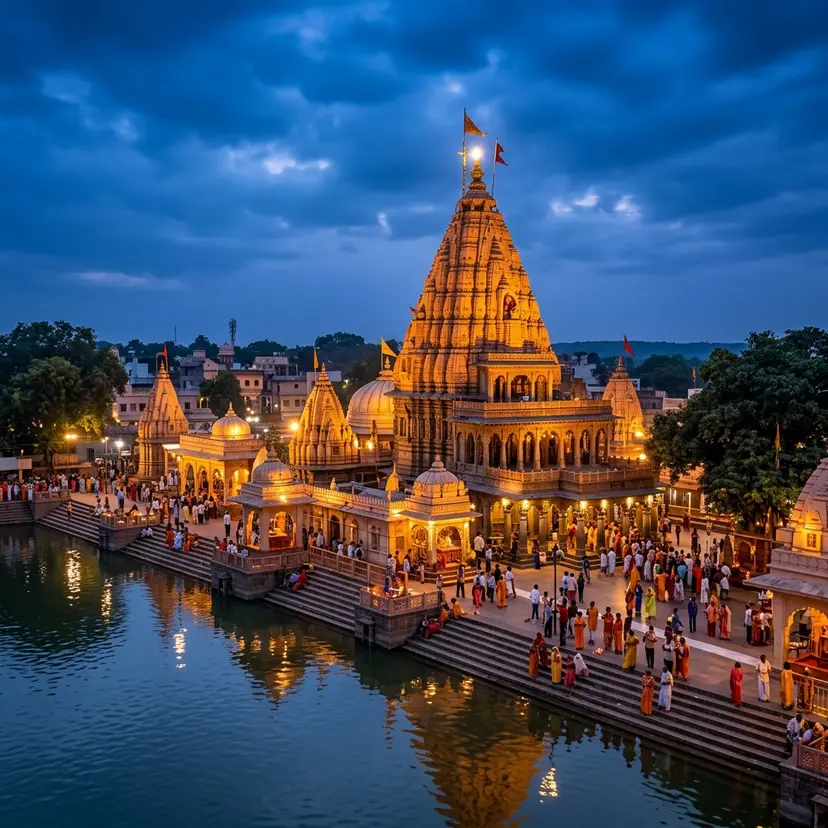
One of the twelve Jyotirlingas, Mahakaleshwar Temple is the most sacred shrine in Ujjain, dedicated to Lord Shiva in his fierce form as Mahakal, the Lord of Time.
The Ancient Story
The legend of Mahakaleshwar Temple is deeply rooted in Hindu mythology. According to the Puranas, a demon named Dushana, son of Mahishasura, terrorized the people of Ujjain. Dushana was a devotee of Brahma and had received a boon that made him invincible. In desperation, the people prayed to Lord Shiva, who manifested as a Jyotirlinga at this spot and emerged as Mahakal to slay the demon. Another legend involves King Chandrasena of Ujjain, a great devotee of Shiva. When a cowherd boy named Shrikar saw the king praying, he was inspired to worship a clay Shiva linga. Dushana attacked the city, and Shrikar prayed fervently. Lord Shiva appeared, blessed him, and the linga became the Mahakaleshwar Jyotirlinga. The temple is mentioned in the Skanda Purana and the Shiva Purana. The linga is Swayambhu (self-manifested) and is Dakshinamukhi (south-facing), a rare feature among Jyotirlingas, symbolizing its power to conquer death. The temple is also associated with the legendary King Vikramaditya, who is said to have received blessings here and built the original structure. Over centuries, the temple was destroyed by invaders and rebuilt by rulers like the Parmaras and the Scindias, with the current structure dating to the 18th century.
Spiritual Importance
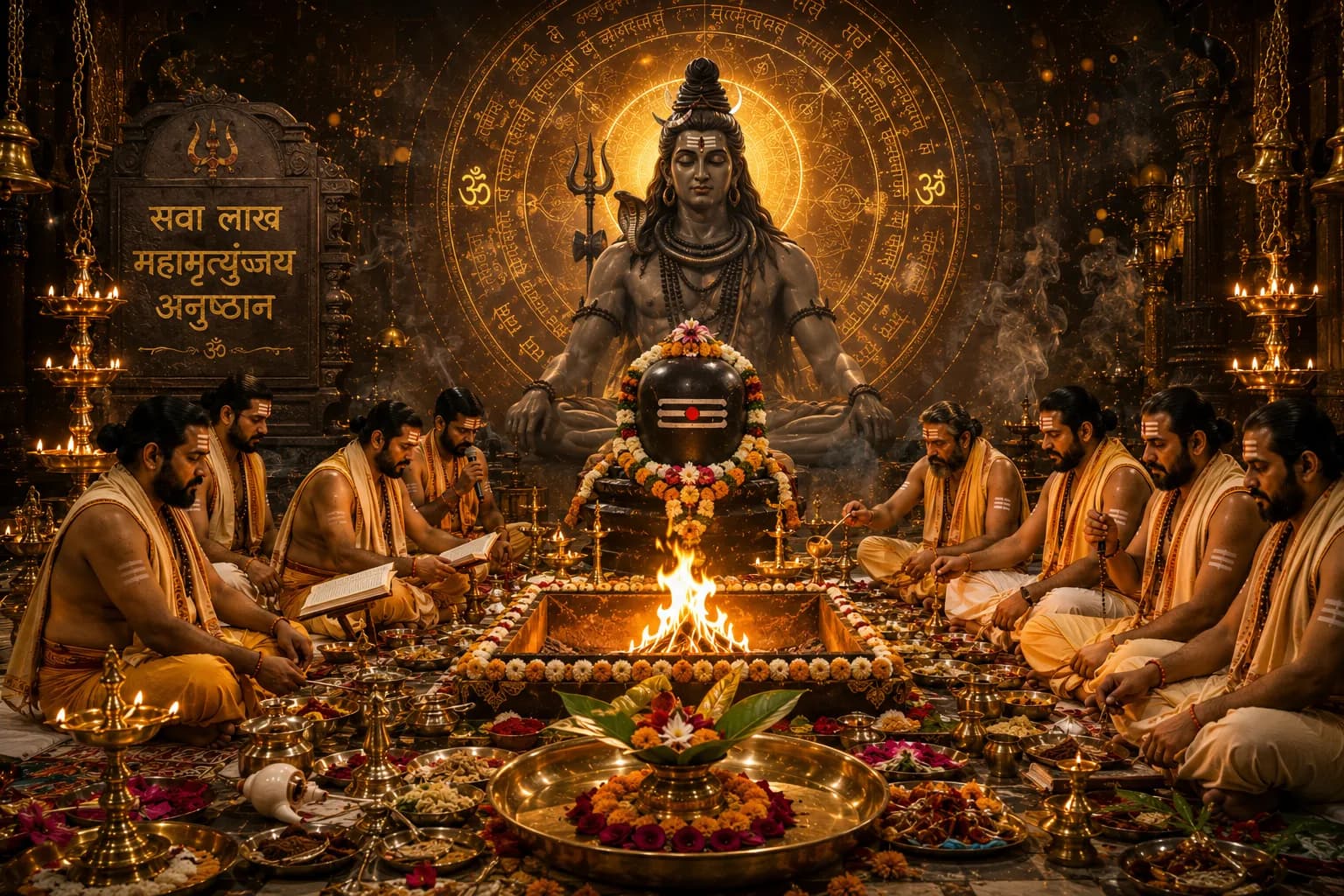
Mahakaleshwar is the spiritual powerhouse of Ujjain and the guardian of the Malwa region. Worshipping Mahakal is believed to liberate devotees from the cycle of birth and death. The linga grants moksha to those who seek it with a pure heart. The Bhasma Aarti, performed at 4:00 AM, is a unique ritual where holy ash from the cremation ground is offered to the deity, symbolizing the transient nature of life. This aarti is considered the crown jewel of the temple’s rituals and is believed to purify the soul and remove past sins. The temple's association with the Kumbh Mela (held every 12 years) further elevates its significance. Mahakal is also the ''Kotwal'' (chief of police) of Ujjain, overseeing the spiritual order. Devotees believe that offering prayers here brings protection, strength, and the grace of Shiva. The temple is also a center for learning and spiritual discourse, with many scholars and saints visiting to meditate.
Architecture
The temple is built in the Bhumija style with a towering shikhara (spire) that rises majestically. The complex spans multiple levels, with the sanctum sanctorum located underground, giving it a unique and mysterious ambiance. The walls are adorned with intricate carvings of deities, mythological scenes, and geometric patterns. The main entrance faces east, and the temple has four gates, symbolizing the four directions. The underground sanctum is a marvel of ancient engineering, designed to keep the linga cool and protected. The temple also houses a massive Nandi statue, a large metal bell, and several smaller shrines dedicated to Parvati, Ganesha, and Kartikeya. The corridors are lined with ancient stone pillars, and the walls bear inscriptions from various periods, reflecting the temple's long history.
Major Festivals
Photo Gallery

Frequently Asked Questions
What is the best time to attend Bhasma Aarti?
The Bhasma Aarti begins at 4:00 AM daily. It is recommended to reach by 3:30 AM to secure a spot. The aarti is a unique and spiritually uplifting experience that should not be missed.
Is photography allowed inside the temple?
Photography is strictly prohibited inside the sanctum sanctorum. You can take pictures outside the main temple premises with permission.
Can we perform Rudra Abhishek at Mahakal?
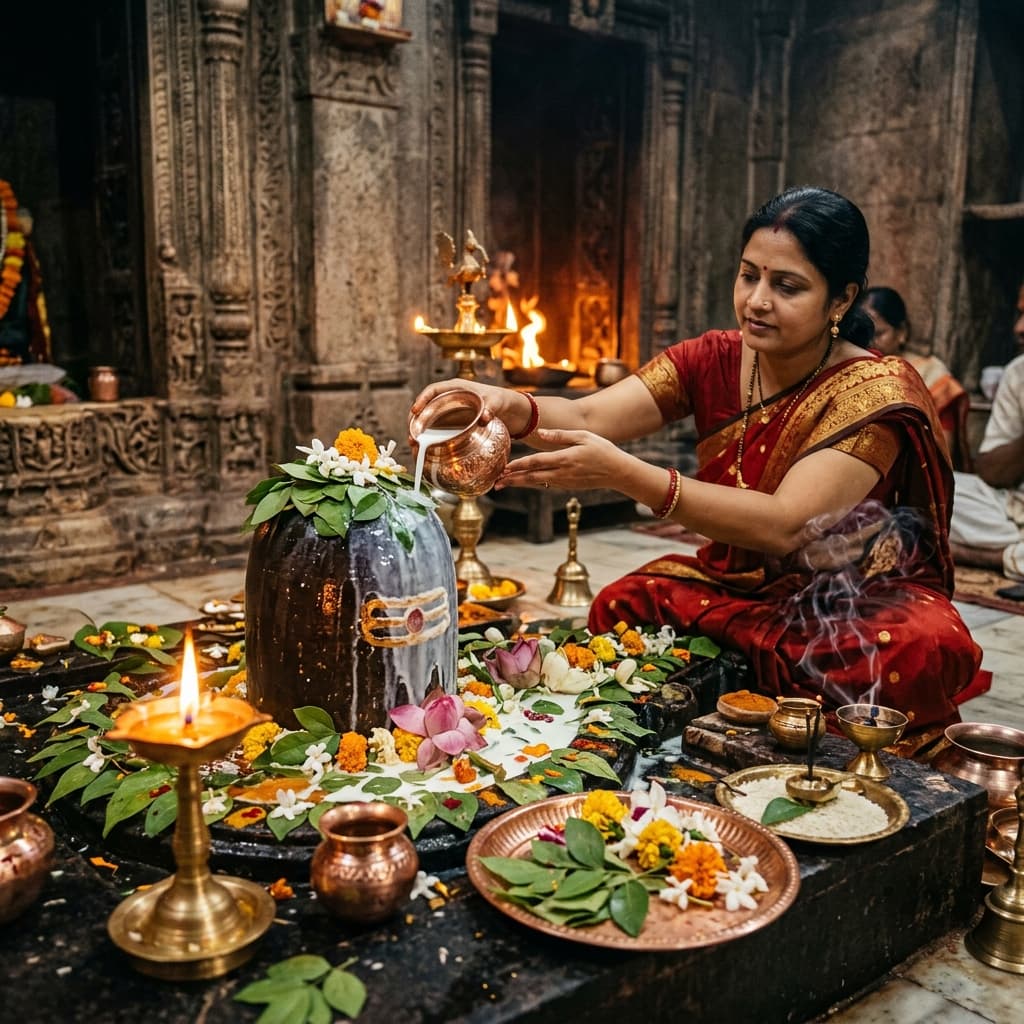
Yes, the temple trust allows devotees to book Rudra Abhishek and other special pujas. Booking can be done online or at the temple office in advance.
Temple Information
Main Deity
Lord Shiva (Mahakal)
Other Deities
Goddess Parvati, Lord Ganesha, Lord Kartikeya, Nandi
Darshan Timings
4:00 AM - 11:00 PM
Aarti Timings
Bhasma Aarti: 4:00 AM, Morning Aarti: 7:00 AM, Evening Aarti: 7:00 PM
Best Time to Visit
October to March (winter months) and during Mahashivratri (February/March) and Shravan month (July/August).
Dress Code
Traditional Indian attire preferred. Men: Dhoti/Kurta. Women: Saree/Churidar. Shoulders and knees must be covered.
Offerings Accepted
Belpatra (leaves), Dhatura, Bhang, Milk, Curd, Ghee, Honey, and Sugar. Avoid non-vegetarian items and alcohol inside the premises.
How to Reach
Ujjain is well-connected by road, rail, and air. The nearest airport is Indore (55 km). Ujjain Junction railway station is a major hub. From the station, the temple is 2 km away, reachable by auto-rickshaw or cab. Buses are also available from the bus stand.
Nearby Places
- Kal Bhairav Temple
- Harsiddhi Temple
- Mangalnath Temple
- Ram Ghat
- Bade Ganeshji Ka Mandir
Book a Ritual Here
Online or physical Havans performed under direct supervision.
Book Puja OnlinePlan Physical Visit